



Serving the Des Moines, Omaha & Salt Lake City Metro Areas


Symptoms
- The breaker trips a few minutes after you turn on the space heater.
- It trips when the heater runs at the same time as a hair dryer, vacuum, microwave, or TV.
- The lights in the room dim when the heater kicks on.
- The plug, cord, or outlet feels hot to the touch.
- The outlet cover looks brown, discolored, or melted, or you smell hot plastic.
- The breaker trips even when the heater is the only thing plugged in.
The last three are warning signs. They mean heat is building up where it shouldn’t, and they need a professional look.
Causes
1. Too much on one circuit
A circuit is one path of wiring that feeds a group of outlets and lights. Your breaker is a safety switch that shuts off that path when it carries more power than the wires can safely handle.
A 1,500-watt space heater draws about 12.5 amps. Many bedroom and living room circuits are rated for 15 amps, and electricians generally plan for anything that runs for hours to use no more than about 80 percent of that, or around 12 amps. So the heater alone can use up the whole circuit. Add a lamp and a TV, and the breaker does its job and trips.
2. A worn or loose outlet
Older outlets lose their grip on plugs over time. A loose connection creates resistance, and resistance creates heat. A heater running for hours on a worn outlet is a common way outlets get scorched.
3. Extension cords and power strips
Most extension cords and power strips aren’t built for a heater’s steady, heavy load. They can overheat even if the breaker never trips.
4. A weak or worn-out breaker
Breakers can wear out. One that trips well below its rating may need to be tested and replaced by an electrician.
5. Safety breakers doing their job
Many homes have AFCI breakers (arc-fault circuit interrupters), which shut off power when they sense dangerous sparking in the wiring. Some outlets also have GFCI protection, which reacts when electricity leaks where it shouldn’t. If one of these trips with the heater plugged in, there may be a problem in the heater, the cord, or the wiring. Don’t ignore it.
6. The heater itself
A damaged cord or a failing heater can trip a breaker on its own. If the heater trips breakers on more than one circuit, it’s time to retire it.
DIY vs. Pro
What you can safely do yourself
- Plug the heater straight into a wall outlet. Not an extension cord. Not a power strip.
- Move it to an outlet on a different circuit, ideally one with little else running.
- Avoid running other big power users (hair dryer, vacuum, microwave) on that circuit while the heater runs.
- Choose a heater with tip-over and overheat shutoff and a safety listing mark, such as UL or ETL.
- Keep it at least 3 feet from beds, curtains, furniture, and anything that can burn.
- Turn the space heater off when you leave the room or go to sleep.
Our technician’s tip
Here’s a simple check: about 15 minutes after you turn the heater on, carefully touch the plug where it meets the outlet. Slightly warm is normal. Too hot to keep your hand on means stop using that outlet and have it checked. It’s a five-second test that can catch a problem before it turns into a fire.
One more: the next time the breaker trips, walk the house and note which outlets and lights went dark. That’s your “circuit map.” It tells you what’s sharing power with your heater, and it saves your electrician time if you need a visit.
When to call a pro
- The breaker trips again and again, even with only the heater plugged in.
- An outlet, plug, or cover is hot, discolored, or melted.
- You smell burning, or hear buzzing or crackling from an outlet or the panel.
- An AFCI or GFCI keeps tripping.
- You want a dedicated circuit (a circuit that serves just one outlet) for a room you heat often.
Never “fix” a tripping breaker by swapping in a bigger one. Breaker size is matched to the wire. A bigger breaker lets that wire overheat inside your walls.
Seasonal Considerations
With hot summers and cold winters, the first real cold snap is when space heaters come out of the closet, and that’s when we see overloaded circuits, warm outlets, and tripped breakers. The holidays add more: lights, inflatables, and extra cooking all pull power at the same time.
- Pick your heater’s outlet before the cold hits. Choose one on a lightly used circuit.
- Try not to run holiday lights and a space heater on the same circuit.
- Many older homes have fewer circuits and older outlets, so they’re more likely to trip.
- If you need a space heater because one room never warms up, that’s often a sign of an airflow, ductwork, or furnace issue. Our heating team can find out why, so you’re not relying on a space heater all winter.
FAQ
Is it safe to plug a space heater into an extension cord or power strip?
No. Fire safety groups and heater manufactures say to plug space heaters directly into a wall outlet. Extension cords and power strips can overheat under a heater’s steady load.
Why does my space heater trip the breaker in one room but not another?
It depends on what else shares that circuit, the circuit’s size, and the condition of the outlet. Two rooms in the same home can be wired very differently.
Can I use a space heater on a 20-amp circuit?
A 20-amp circuit gives you more room, which helps. The outlet still needs to be in good shape, and the heater still shouldn’t share the circuit with other big appliances. An electrician can tell you which circuits are which.
Should I worry if the breaker only trips once?
One trip with a lot running usually just means the circuit was overloaded. Move the heater and watch. Repeated trips, heat, or a burning smell mean it’s time to call a pro.
Can an electrician add an outlet just for a space heater?
Yes. A dedicated circuit is a common fix for a room used a lot in winter, like a home office or basement.
Call Golden Rule
If your space heater keeps tripping the breaker, or an outlet feels warm, don’t wait for it to get worse. Golden Rule’s licensed electricians can find the cause, check your outlets and panel, and add a dedicated circuit if you need one. And if the real problem is a room that never warms up, our heating team can help with that too. Call 515-393-4526 or schedule online today. Gold Club members get priority scheduling.
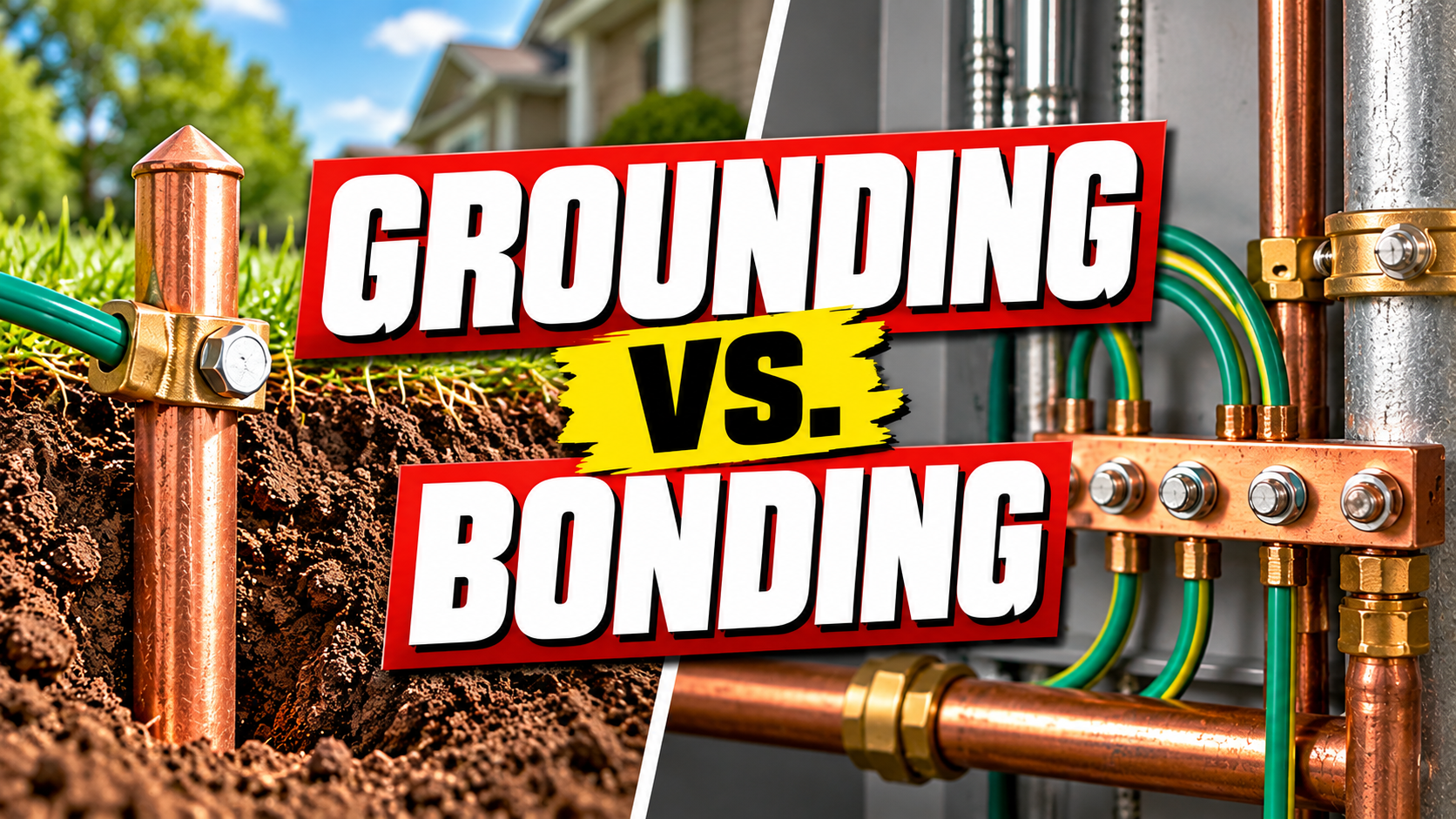
Grounding and bonding sound like the same thing, and people often use the terms together. They are actually two separate safety systems that work as a... Read More
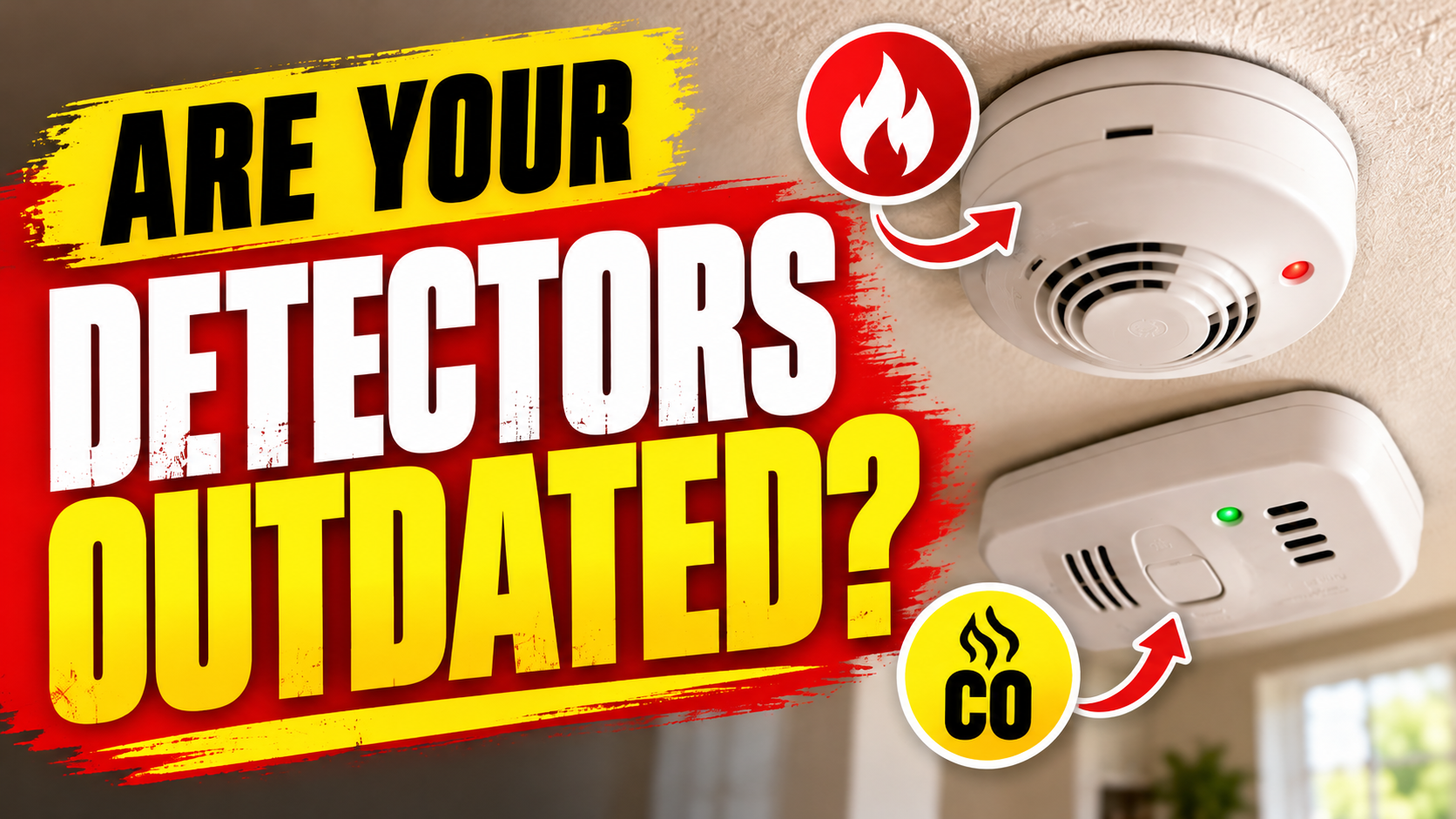
Replace smoke detectors every 10 years, and replace carbon monoxide (CO) detectors every 5 to 7 years, or by the end-of-life date printed on the alarm (some... Read More

A few warning signs point to a home that needs rewiring: breakers that trip often, outlets that feel warm or look discolored, lights that flicker in more... Read More


